

The Age of Electricity
Why electricity is becoming a larger part of the global energy system — and what that means for generation, grids, flexibility and infrastructure.
Read Chapter 01 →
Electrification, data centres, industrial expansion, renewable generation, nuclear development, storage and changing demand patterns are placing new requirements on power systems.
But additional generation alone does not create a functioning electricity system. Power must be generated, transmitted, transformed, balanced, stored, controlled and delivered.


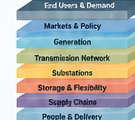
Electrification, industrial demand, data centres and the changing geography of electricity consumption.

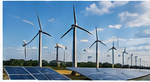
Renewables, gas, nuclear, hydro and the generation capacity required to support future demand.

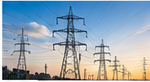
Transmission expansion, substations, interconnection, HVDC and network reinforcement.

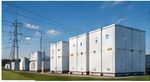
BESS, pumped storage, demand response and other sources of system flexibility.

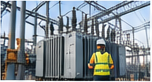
Transformers, switchgear, cables, HVDC equipment and manufacturing constraints.

Capital, permitting, engineering capability, construction resources and skilled labour.
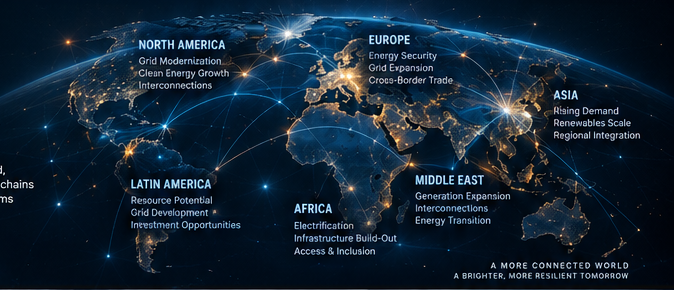
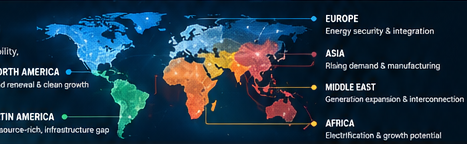
Each region faces a distinct combination of demand growth, resource availability, infrastructure requirements and constraints.
Explore Regional Analysis →
Why electricity is becoming a larger part of the global energy system — and what that means for generation, grids, flexibility and infrastructure.
Read Chapter 01 →


We examine competing perspectives, key uncertainties and the risks that could challenge the “Age of Electricity” thesis.
Read the Key Questions →A structured approach, from primary data to independent analysis.